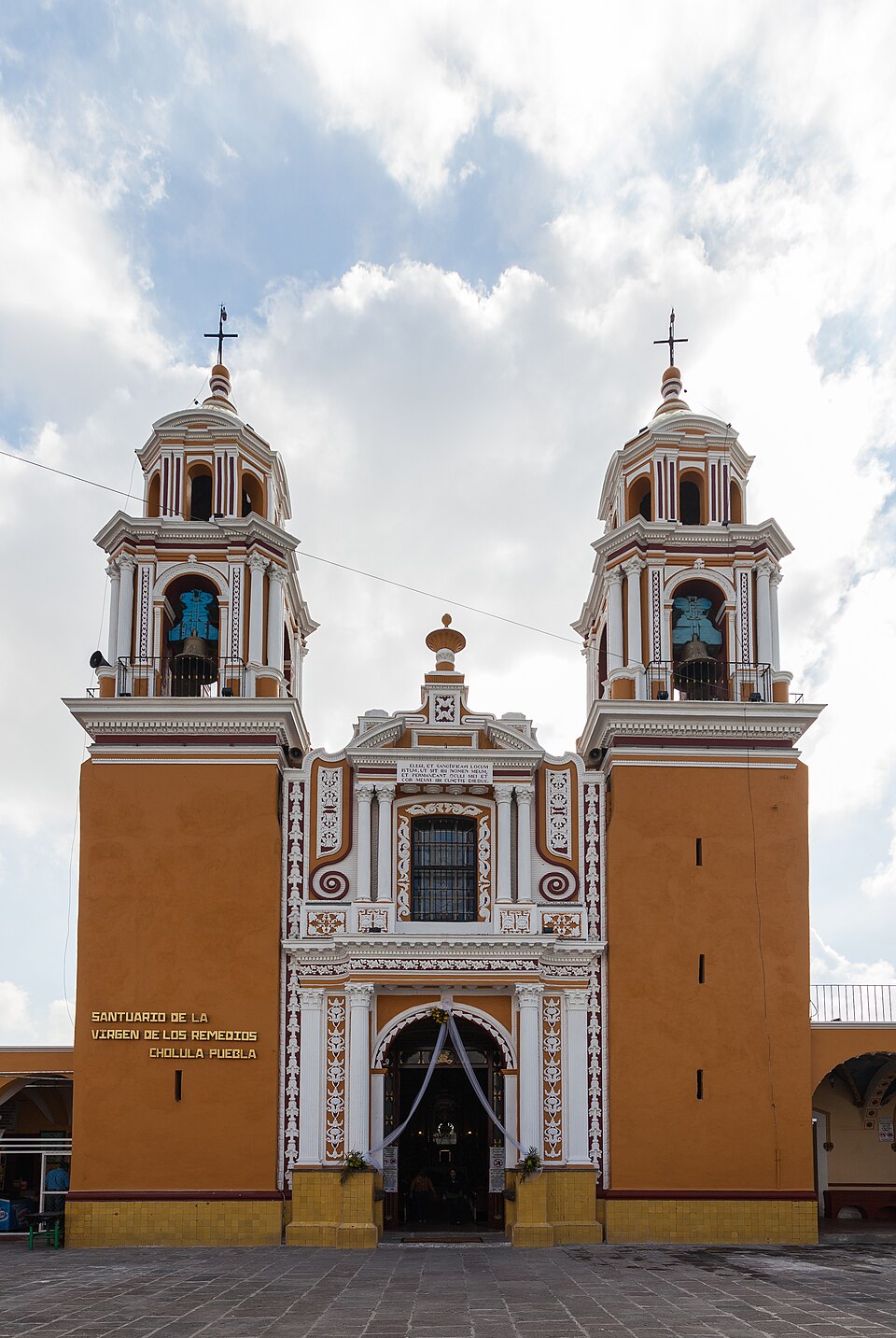
Santuario Los Remedios: Saving the 4-Century Legacy of Its Vanishing Exvotos
Perched atop a hill in Naucalpan, Mexico, the historic
Santuario De Nuestra Señora De Los Remedios stands as a profound testament to centuries of faith, culture, and human stories. Within its hallowed walls, a unique and poignant artistic tradition has flourished for generations: the exvoto. These small, often humble, votive paintings on metal or wood are heartfelt expressions of gratitude for miracles granted – a desperate plea answered, a life saved, a loved one returned. Yet, this incredible four-century legacy, a vibrant tapestry of human experience, is tragically diminishing, with an urgent call now echoing to preserve what little remains.
The Enduring Tradition of Exvotos: Whispers from the Past
Exvotos, derived from the Latin "ex voto suscepto" meaning "from the vow made," are a universal language of gratitude. At the
Santuario De Nuestra Señora De Los Remedios, they paint a vivid picture of life's precariousness and the enduring power of faith. Imagine the relief palpable in the words: "Thanks, little Virgin, for freeing me from prison," or the profound joy expressed, "for finding my son." Other panels recount deliverance from an assault, the successful outcome of a perilous surgery, or the miraculous recovery of health. Each exvoto is a miniature narrative, a frozen moment of divine intervention and profound human gratitude, offering an unparalleled glimpse into the fears, hopes, and daily lives of ordinary people across centuries.
These aren't merely religious artifacts; they are invaluable historical documents, anthropological records, and a unique form of folk art. They capture clothing styles, tools, societal challenges, and even medical practices of their time. The tradition itself is ancient, rooted in Christian practices dating back to the 14th century, and possibly even earlier pagan customs of offering thanks to deities. Given that the Cofradía (brotherhood) of Nuestra Señora de Los Remedios was established in Naucalpan on September 1, 1575, and the first chapel, the Ermita, dates to 1525, it’s conceivable that exvotos have adorned the sanctuary walls for nearly its entire existence. While many of the earliest pieces are now lost to time, the approximately 650 historic exvotos that currently cling to the inner patio walls of the Santuario represent a priceless, albeit dwindling, collection. These range from over a century old to more recent offerings, predominantly from the last century, each a precious fragment of Mexico's cultural and spiritual heritage.
A Vanishing Treasure: The Santuario's Alarming Loss
The stark reality at the
Santuario De Nuestra Señora De Los Remedios is alarming: less than 20% of the exvotos that once covered the internal patio walls remain. As archaeologist Francisco Mayen Anguiano painfully recounted to EL UNIVERSAL Estado de México, the walls were once entirely full of these ancient offerings prior to the 1990s. This dramatic depletion wasn't a slow decay but a tragic consequence of widespread looting that plagued Mexico during that decade. Sacred art, from churches to small chapels, became targets for unscrupulous collectors and traffickers. The exvotos, exposed and unprotected on the walls, were particularly vulnerable, easily removed and spirited away, leaving gaping voids in their wake.
The loss extends beyond the physical removal of these small retablos. Many of the remaining exvotos, even those over a century old, are succumbing to the ravages of time and exposure. Images and the accompanying legends, once vibrantly illustrating a specific peril or miracle, have faded into dark, indistinguishable patches. Sun, humidity, and general environmental factors are steadily eroding these precious narratives, turning detailed historical accounts into enigmatic smudges. This dual threat – past theft and ongoing environmental degradation – underscores the extreme fragility of what remains and amplifies the urgency of preservation efforts. Every fading inscription, every lost detail, means a story from the past is silenced forever. The Santuario, therefore, represents not just a place of worship, but an open wound of cultural heritage, demanding immediate attention to safeguard its remaining treasures.
A Call to Action: Preserving the Legacy of Santuario De Nuestra Señora De Los Remedios
The critical state of the exvotos at the
Santuario De Nuestra Señora De Los Remedios demands an immediate and coordinated response. As Mayen Anguiano emphatically stated, there is currently no comprehensive catalog or registry of these unique pieces. This "disinterest" from those responsible for patrimonial sites means that invaluable works of art, history, and faith are neither properly documented nor adequately valued. The rector of the Santuario, Monseñor Martín Méndez, acknowledges this gap, confirming the absence of a historical census, highlighting the monumental task ahead. Indeed, a cursory count by EL UNIVERSAL Estado de México revealed over 650 pieces, but a true understanding of this collection requires far more rigorous academic study.
Strategies for Safeguarding a Priceless Collection
To combat this loss and secure the legacy of the Santuario's exvotos, several actionable steps are imperative:
*
Comprehensive Cataloging and Documentation: The absolute first step is to create a detailed, photographic catalog of every single remaining exvoto. This should include high-resolution images, transcriptions of texts, analysis of materials, estimated age, and any discernible artistic characteristics. This meticulous record would serve as a crucial inventory, an artistic archive, and a foundation for all future preservation efforts. It's an undertaking that would transform these
Uncataloged Treasures: Santuario Los Remedios' Exvotos Await Discovery into recognized and studied artifacts.
*
Academic Collaboration: As suggested by archaeologist Mayen, inviting academics from institutions like UNAM (National Autonomous University of Mexico) is vital. Art historians, anthropologists, conservators, and archaeologists can provide the expertise needed to analyze, classify, and understand the collection's immense value. Their research can unearth hidden details, establish provenance, and develop best practices for conservation.
*
Conservation and Restoration: Many exvotos are already faded and deteriorating. Expert conservators are needed to stabilize these delicate pieces, prevent further degradation, and, where appropriate, carefully restore their lost details without compromising their authenticity.
*
Enhanced Security Measures: Learning from the tragic looting of the 1990s, robust security protocols are essential. This includes installing surveillance systems, improving physical barriers, and possibly relocating some of the most vulnerable or historically significant pieces to secure, climate-controlled environments within the sanctuary or a dedicated museum space.
*
Public Awareness and Education: Engaging the local community and broader public is key. Educational programs, guided tours, and digital exhibitions can foster a sense of ownership and appreciation for this unique heritage, transforming passive observers into active protectors.
*
Funding and Support: All these initiatives require substantial funding. Appeals to government agencies, cultural foundations, and private donors, both national and international, are crucial to ensure the resources are available for this monumental task. The
Los Remedios Exvotos: Fading Stories of Miracles, Faith, and Urgent Need require not just recognition, but dedicated financial backing.
The Four-Century Tapestry: Santuario's Deep Roots
The significance of the
Santuario De Nuestra Señora De Los Remedios extends far beyond its exvotos. Its very foundation is steeped in Mexico's rich colonial history. The site’s origin dates back to 1525 with the construction of the Ermita, followed by the formal establishment of the brotherhood in 1575, and its development into a full-fledged temple in the 16th century. This lineage means the sanctuary itself has witnessed pivotal moments in Mexican history, from the early colonial period through to independence and modern times. The exvotos, therefore, are not just isolated expressions of faith, but integral threads in a much larger, four-century tapestry of cultural and religious evolution woven within the walls of this enduring edifice. They connect individual lives to the grand sweep of history, making their preservation a vital act of cultural memory.
The stories etched into these small panels—of resilience, gratitude, and an unwavering belief in divine intervention—are fundamental to understanding the soul of a nation. They offer a unique window into the human condition, echoing timeless struggles and triumphs that resonate with us today.
In conclusion, the
Santuario De Nuestra Señora De Los Remedios represents a truly extraordinary cultural treasure, home to a collection of exvotos that are both deeply personal expressions of faith and invaluable historical artifacts. While time and past neglect have taken a heavy toll, the opportunity remains to safeguard what is left. By initiating comprehensive cataloging, fostering academic research, implementing robust conservation strategies, and raising public awareness, we can collectively work to ensure that the four-century legacy of these vanishing exvotos does not fade completely. Their preservation is not just about protecting old paintings; it is about honoring the voices of the past, understanding our shared heritage, and ensuring that these silent witnesses to countless miracles continue to inspire future generations.