Uncataloged Treasures: Santuario De Nuestra Señora De Los Remedios' Exvotos Await Discovery
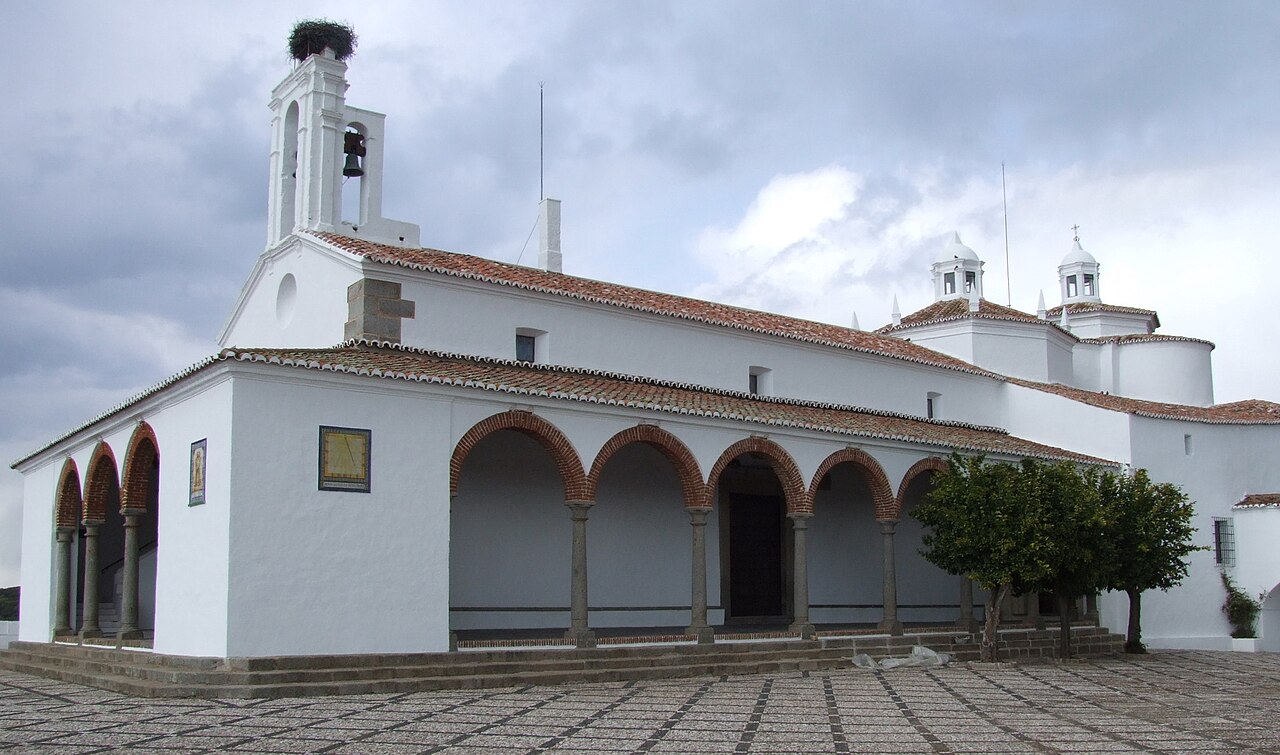
Nestled high above the bustling metropolis of Mexico City, in the municipality of Naucalpan, lies the revered Santuario De Nuestra Señora De Los Remedios. More than just a magnificent architectural marvel, this historic sanctuary serves as a silent keeper of centuries of faith, culture, and personal stories. Among its most compelling, yet tragically overlooked, legacies are its exvotos – small, often humble, votive paintings offered in gratitude for divine intervention. These precious artifacts, clinging to the ancient walls, represent a profound artistic, cultural, and religious wealth, currently facing the perils of neglect and an urgent call for discovery and preservation.
The Poignant Narratives of Devotion: What Are Exvotos?
For centuries, across various cultures and faiths, individuals have sought ways to express their profound gratitude for answered prayers or miraculous recoveries. In the Christian tradition, particularly prevalent in Mexico and Latin America, these expressions often take the form of exvotos. An exvoto (from the Latin "ex voto suscepto," meaning "from a vow made") is a votive offering, typically a small painting on tin, wood, or canvas, depicting the event from which the individual was saved and offering thanks to a specific saint or deity.
At the Santuario De Nuestra Señora De Los Remedios, these tiny masterpieces are vivid testaments to life's most dramatic moments. Imagine the relief and joy captured in the brief inscriptions: "Gracias virgencita por librarme de la prisión" (Thank you, little Virgin, for freeing me from prison), "por haber encontrado a mi hijo" (for having found my son), "por salvarme de una asalto" (for saving me from an assault), or "por salir bien de una operación y haber recuperado la salud" (for a successful operation and having recovered my health). Each exvoto is a unique, deeply personal narrative, a window into the fears, hopes, and profound faith of ordinary people seeking solace and intervention from the Virgen de Los Remedios.
These pieces are not merely religious objects; they are invaluable historical documents, offering unparalleled insights into daily life, medical practices, social anxieties, and artistic expressions across different eras. They chronicle personal triumphs over adversity, painting a collective portrait of a community's struggles and enduring faith. To delve deeper into these fading narratives, consider reading Los Remedios Exvotos: Fading Stories of Miracles, Faith, and Urgent Need.
A Vanishing Legacy: The Tragic Loss at Santuario Los Remedios
Despite their immense value, the exvotos of the Santuario De Nuestra Señora De Los Remedios have suffered a devastating loss. According to archaeologist Francisco Mayen Anguiano, who has drawn attention to their plight, less than 20% of the exvotos that once adorned the walls of the sanctuary's inner patio remain today. This staggering reduction means that over 80% of these historical and cultural treasures have vanished, taking with them countless untold stories.
The primary culprit behind this tragic disappearance was the rampant looting of sacred art that plagued Mexico in the 1990s. This period saw a widespread pillaging of valuable pieces from churches, convents, and historical sites across the country. The exvotos at the Santuario De Nuestra Señora De Los Remedios, exposed on the walls and largely unprotected, became easy targets for art traffickers. It was a national tragedy, with ancient doors, sculptures, and paintings stolen, leaving gaping holes in Mexico's rich cultural fabric. The sheer volume of this loss at the sanctuary underscores a profound oversight in heritage protection and highlights the vulnerability of such unique forms of folk art when left undocumented and unsecured.
The Urgent Call for Documentation and Preservation
The current state of the exvotos at the Santuario De Nuestra Señora De Los Remedios presents a critical challenge and an urgent plea for action. Francisco Mayen Anguiano stresses that there is no existing catalog or official registration of these exvotos. This lack of documentation, he contends, stems from a palpable "disinterest" among those responsible for managing heritage sites, failing to recognize their profound significance.
To prevent further loss and to understand the remaining collection, Mayen Anguiano advocates for immediate classification and analysis. He suggests inviting academics, particularly from institutions like UNAM, to undertake the painstaking work of studying what remains of this precious collection. Such a project would involve:
- Systematic Inventory: A detailed count and photographic record of each remaining exvoto.
- Material Analysis: Studying the types of materials used (tin, wood, canvas) and artistic techniques.
- Dating and Provenance: Estimating the age of each piece, tracing its origin, and understanding its historical context.
- Conservation Efforts: Implementing measures to protect the fragile artworks from further deterioration due to environmental factors or human touch.
- Digital Archiving: Creating a comprehensive digital database accessible for research and public engagement.
This work is not merely academic; it is vital for ensuring that the stories and historical insights embedded within these exvotos are not lost forever. Monsignor Martín Méndez, rector of the Santuario De Nuestra Señora De Los Remedios, acknowledged that while exvotos could have been created as early as the late 16th century, no historical census or record exists. A cursory count by EL UNIVERSAL Estado de México, with the support of sanctuary staff, identified over 650 pieces, mostly on metal sheets and wood, each approximately the size of a letter sheet. However, many of these, though some date back over 100 years, are from the last century, with their images and inscriptions already fading into dark, indistinguishable squares. The oldest extant pieces are barely discernible, a testament to the urgency of intervention. For more on the crucial efforts to safeguard this heritage, explore Santuario Los Remedios: Saving the 4-Century Legacy of Its Vanishing Exvotos.
Historical Roots of the Santuario De Nuestra Señora De Los Remedios
The historical depth of the Santuario itself underscores the potential antiquity of its exvoto tradition. The Cofradía de Nuestra Señora de Los Remedios (Brotherhood of Our Lady of Los Remedios) was established right here, in what is now Naucalpan, on September 1, 1575. The first chapel, the Ermita, dates back to 1525, evolving into a temple in the 16th century. Given that the Christian tradition of exvotos dates to the 14th century, it is entirely plausible that these devotional offerings have been a continuous practice at this site for over four centuries, making the loss of earlier pieces even more significant.
Beyond the Walls: Why These Uncataloged Treasures Matter
The exvotos of the Santuario De Nuestra Señora De Los Remedios are more than just devotional objects; they are a vital component of Mexico's cultural heritage. Their importance spans multiple dimensions:
- Religious Significance: They represent centuries of fervent faith and the enduring relationship between devotees and the Virgen de Los Remedios.
- Artistic Expression: As a form of folk art, they demonstrate unique artistic styles, evolving over time, often created by anonymous hands telling powerful stories.
- Social and Historical Records: They offer direct, unvarnished insights into the daily lives, fears, and hopes of people from various social strata, detailing illnesses, accidents, crimes, and personal milestones that formal historical records often overlook. They are snapshots of Mexico's social history.
- Cultural Identity: They are tangible links to a rich cultural past, contributing to the unique identity of Naucalpan and wider Mexico.
The disappearance and deterioration of these uncataloged treasures mean that generations of history, faith, and art are slowly being erased. What remains are fragile echoes of fervent prayers and profound gratitude, urging contemporary society to recognize their value before it's too late.
Conclusion: A Future for the Fading Voices of Faith
The Santuario De Nuestra Señora De Los Remedios stands as a monumental landmark, yet its true depth of heritage is still hidden within its uncataloged exvotos. These fading narratives of miracles and faith are a powerful reminder of human resilience and devotion. The call to classify, document, and preserve these artistic, cultural, and religious treasures is not merely an academic exercise; it is an imperative. By recognizing their worth and undertaking diligent preservation efforts, we can ensure that these silent witnesses continue to tell their stories for generations to come, enriching our understanding of faith, history, and the enduring human spirit in Mexico.